
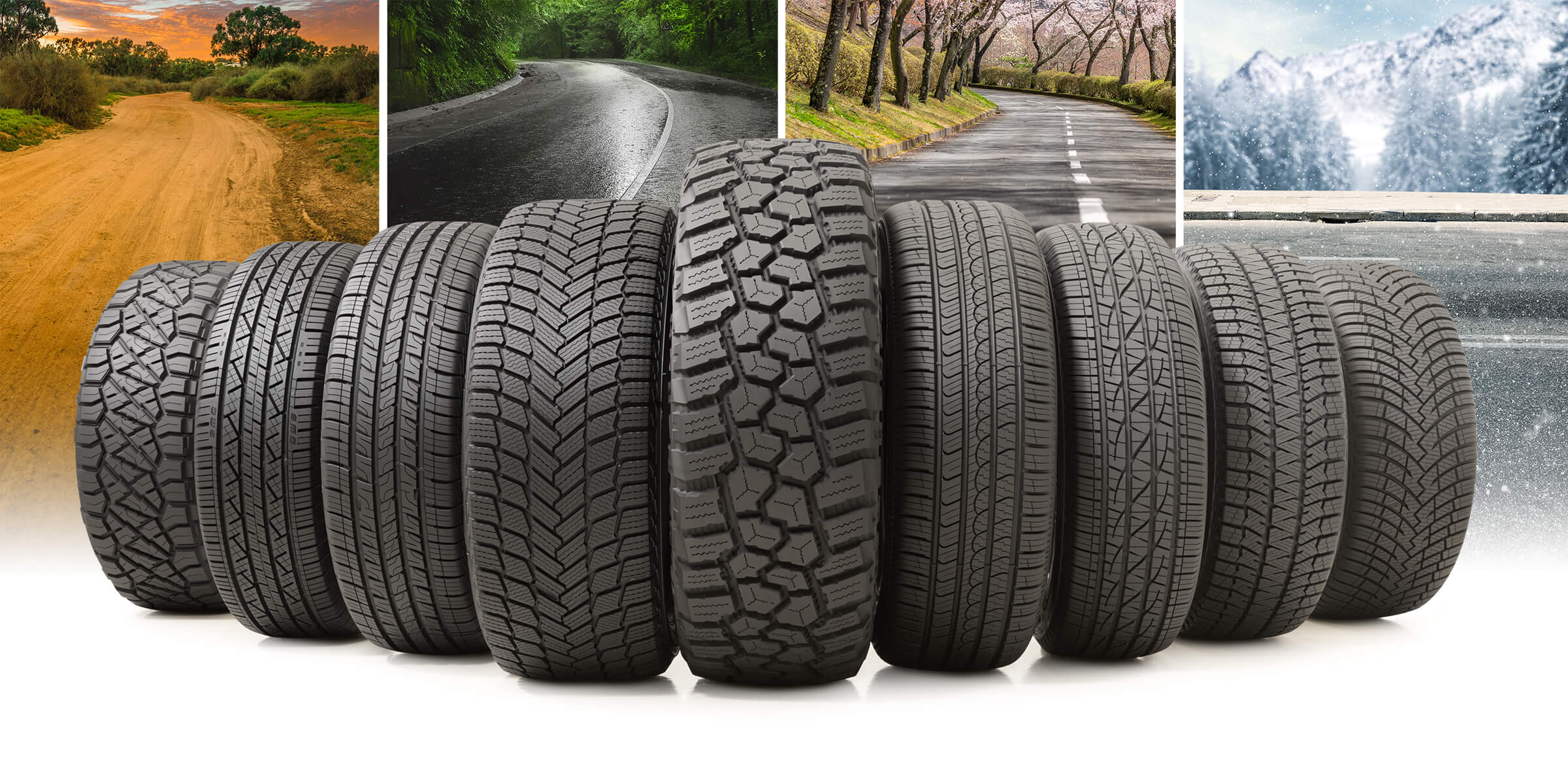
When it comes to ensuring the safety and performance of your vehicle, few components are as crucial as your tires. While many drivers tend to overlook the importance of tires, they play a vital role in providing traction, handling, and braking capabilities on various road surfaces. As the seasons change, it’s essential to adapt your tires to the new conditions to maintain optimal performance and avoid potential hazards.
Winter Tires: The Key to Safe Driving in Harsh Conditions
Winter tires are specifically designed to combat the challenges of snow, ice, and freezing temperatures. These tires feature unique tread patterns and compounds that remain flexible in cold temperatures, allowing for better grip and control on slippery roads. The benefits of winter tires are undeniable:
* Improved traction: Winter tires can reduce stopping distances by up to 30% compared to all-season tires on snow-covered roads.
* Enhanced stability: Winter tires provide better cornering and handling on icy surfaces, reducing the risk of skidding or losing control.
* Increased safety: Winter tires can help prevent accidents caused by loss of traction, which is a leading cause of winter accidents.
Summer Tires: Optimizing Performance in Warm Weather
As the weather warms up, summer tires come into play. These tires are designed to provide exceptional handling, braking, and acceleration on dry roads. Summer tires feature:
* High-performance compounds: These compounds remain stable at high temperatures, allowing for faster acceleration and improved cornering.
* Unique tread patterns: Summer tires have tread patterns that are optimized for dry roads, providing better grip and responsiveness.
* Enhanced fuel efficiency: Summer tires are designed to reduce rolling resistance, which can improve fuel economy and reduce emissions.
All-Season Tires: A Compromise for Moderate Climates
For drivers who live in regions with moderate climates, all-season tires can be a suitable compromise. These tires are designed to provide a balance of performance, safety, and durability in a wide range of conditions. While they may not excel in extreme weather conditions, all-season tires offer:
* Versatility: All-season tires can handle light snow, rain, and dry roads, making them a practical choice for drivers who don’t experience extreme weather conditions.
* Convenience: All-season tires eliminate the need to switch between winter and summer tires, making them a convenient option for those who don’t want to invest in multiple sets of tires.
* Cost-effectiveness: All-season tires are often less expensive than specialized winter or summer tires, making them a budget-friendly option.
The Consequences of Neglecting Seasonal Tire Changes
Failing to adapt your tires to the changing seasons can have serious consequences, including:
* Reduced safety: Using the wrong tires for the season can increase the risk of accidents, injuries, and fatalities.
* Decreased performance: Inadequate tires can compromise your vehicle’s handling, braking, and acceleration, making it more difficult to control.
* Premature wear: Running the wrong tires for an extended period can lead to premature wear, reducing the lifespan of your tires and increasing maintenance costs.
Conclusion
In conclusion, having the right tires for each season is crucial for ensuring the safety, performance, and longevity of your vehicle. By understanding the unique benefits and characteristics of winter, summer, and all-season tires, you can make informed decisions about which tires to use and when. Remember, adapting your tires to the changing seasons is a critical aspect of responsible vehicle ownership, and neglecting to do so can have serious consequences. Stay safe, and happy driving!