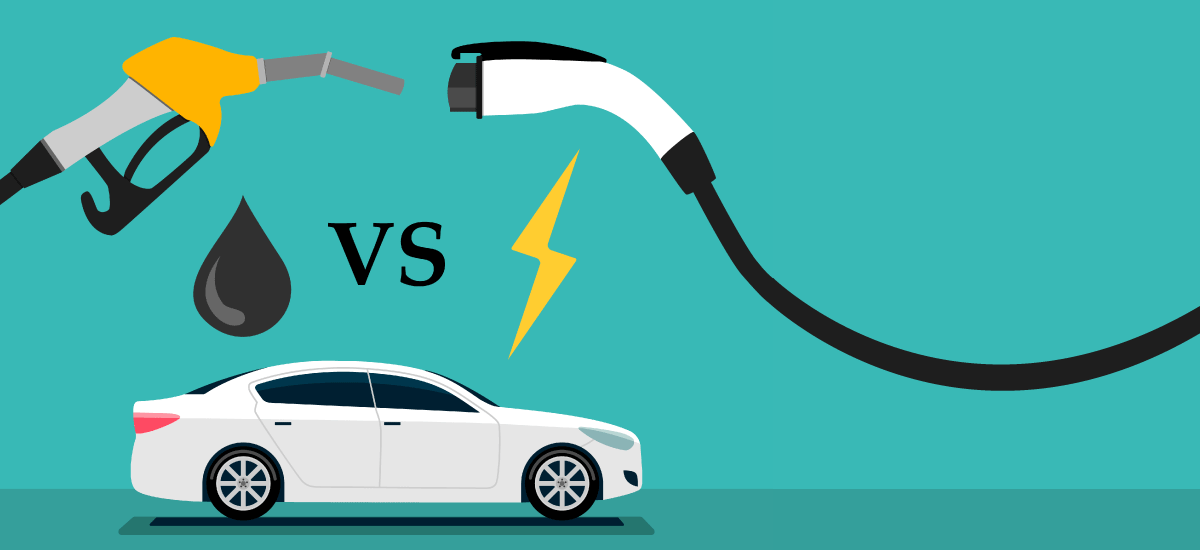
As the automotive industry evolves, consumers face a critical decision: Should they stick with traditional fuel cars or switch to electric vehicles (EVs)? This choice is influenced by various factors, from environmental concerns to cost considerations. This article will guide you through the key points to consider when choosing between fuel cars and electric cars, helping you make an informed decision that aligns with your needs and values.
1. Environmental Impact
Electric Cars:
One of the most significant advantages of electric cars is their environmental impact. EVs produce zero tailpipe emissions, which means they don’t contribute to air pollution or greenhouse gas emissions during operation. This makes them an ideal choice for eco-conscious drivers looking to reduce their carbon footprint.
Fuel Cars:
Traditional fuel cars, powered by gasoline or diesel, emit carbon dioxide and other pollutants into the atmosphere. While modern fuel cars have become more efficient and cleaner thanks to advancements in technology, they still contribute to environmental degradation. For those concerned about climate change and air quality, this is a crucial factor to consider.
Key Takeaway: If minimizing your environmental impact is a top priority, electric cars are the clear winner.
2. Cost of Ownership
Electric Cars:
The initial cost of purchasing an electric car is often higher than that of a fuel car due to the expensive battery technology. However, the long-term savings can be substantial. Electricity is generally cheaper than gasoline, and electric vehicles have fewer moving parts, resulting in lower maintenance costs. Additionally, many governments offer incentives, such as tax credits or rebates, to encourage the purchase of EVs.
Fuel Cars:
Fuel cars typically have a lower upfront cost compared to electric vehicles. However, the ongoing expenses, such as fuel, oil changes, and other maintenance needs, can add up over time. As gasoline prices fluctuate, the cost of ownership can be unpredictable.
Key Takeaway: While EVs have a higher upfront cost, they often offer lower long-term expenses. However, if the initial cost is a major concern, a fuel car might be more accessible.
3. Range and Refueling
Electric Cars:
Range anxiety is a common concern for potential EV buyers. Most modern electric cars offer a range between 200 to 300 miles on a single charge, though this varies by model and driving conditions. Charging an EV can take anywhere from 30 minutes at a fast-charging station to several hours using a home charger.
Fuel Cars:
Fuel cars have the advantage of a longer range, typically between 300 to 500 miles on a full tank, depending on the vehicle. Refueling is quick and easy, with gas stations readily available in most areas. This makes fuel cars more convenient for long-distance travel or in regions with limited charging infrastructure.
Key Takeaway: If you frequently drive long distances or live in an area with sparse charging stations, a fuel car may be more practical.
4. Driving Experience
Electric Cars:
Electric vehicles offer a unique driving experience. They provide instant torque, leading to quick acceleration and a smooth, quiet ride. EVs are also known for their regenerative braking, which helps recharge the battery while slowing down the car. This feature enhances efficiency but may take some getting used to for drivers accustomed to traditional braking.
Fuel Cars:
Fuel cars offer a more familiar driving experience, with a broad range of performance options, from economical sedans to powerful sports cars. They tend to be noisier and less smooth compared to EVs, but some drivers appreciate the sound and feel of a conventional engine.
Key Takeaway: If you prioritize a quiet, smooth ride with quick acceleration, an electric car might appeal to you. For those who prefer the traditional feel of a gasoline engine, a fuel car is likely more satisfying.
5. Availability and Infrastructure
Electric Cars:
The availability of charging infrastructure is a key factor when considering an EV. While urban areas and highways are increasingly equipped with charging stations, rural areas may still have limited options. Home charging solutions are convenient but require the installation of a charging unit, which can be an additional expense.
Fuel Cars:
Fuel cars benefit from a well-established refueling infrastructure, with gas stations found almost everywhere. This widespread availability makes fuel cars convenient for drivers, regardless of location.
Key Takeaway: If you live in an area with limited charging infrastructure or lack access to a home charger, a fuel car may be more convenient.
6. Future Resale Value
Electric Cars:
The resale value of electric cars is still evolving. As battery technology improves and more people adopt EVs, the resale market is expected to stabilize. However, concerns about battery degradation and outdated technology can affect the value of older electric vehicles.
Fuel Cars:
Fuel cars have a more established resale market, with values more predictable based on factors like make, model, and mileage. However, as EVs become more popular and stricter emissions regulations come into play, the resale value of fuel cars might decline.
Key Takeaway: Consider the long-term resale value of your vehicle choice, keeping in mind the rapid advancements in electric vehicle technology.
Conclusion: Which Is Right for You?
Choosing between a fuel car and an electric car depends on various factors, including your environmental values, budget, driving habits, and access to infrastructure. If you’re committed to reducing your carbon footprint, have access to charging stations, and can afford the initial investment, an electric car might be the best option. On the other hand, if you prioritize convenience, long-distance driving, and a lower upfront cost, a fuel car may be more suitable.
As technology advances and the world moves toward sustainable energy, the gap between fuel cars and electric vehicles will likely continue to narrow, making the choice even more compelling in the years to come.