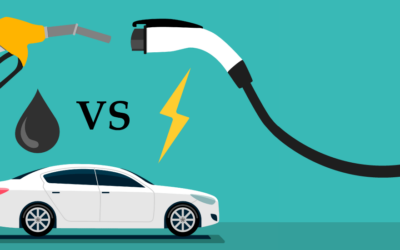
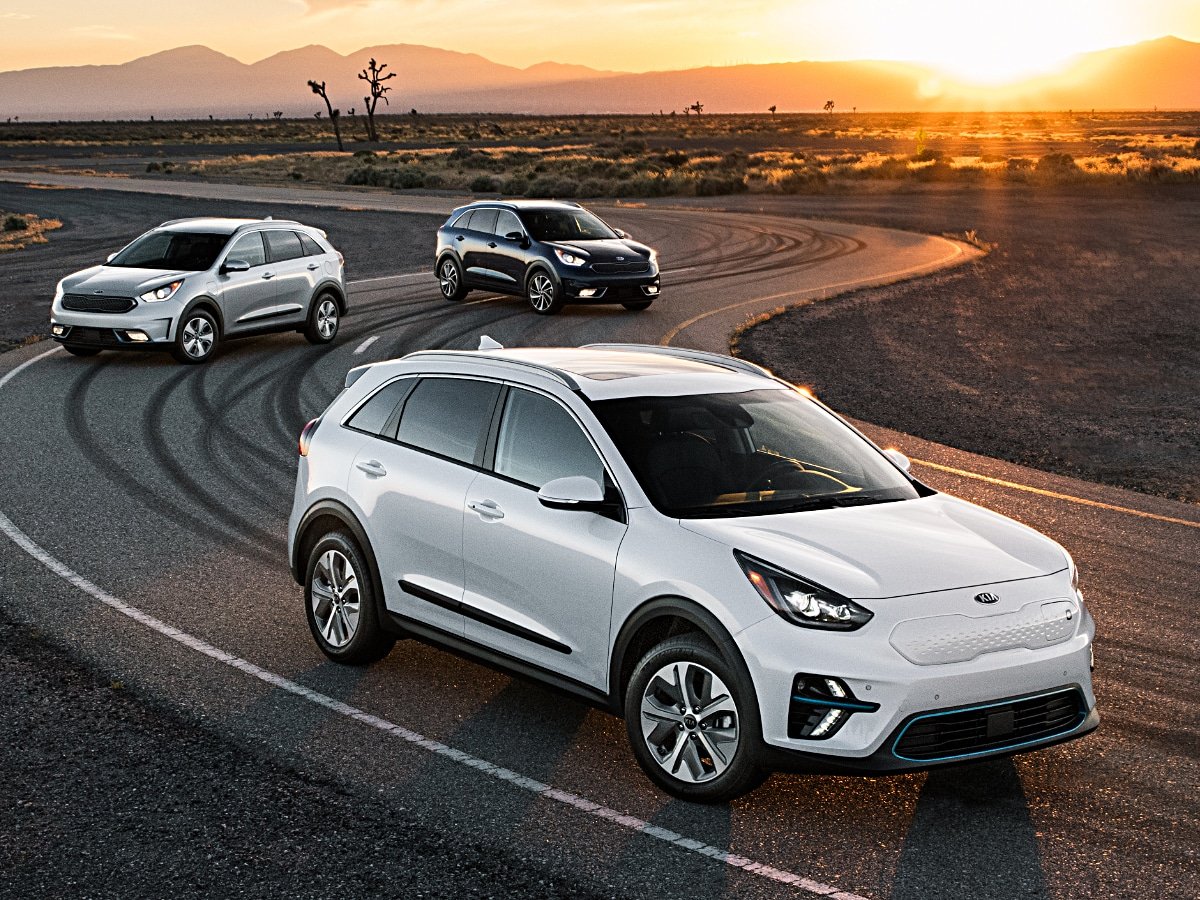
As the world becomes more environmentally conscious, the automotive industry is rapidly evolving. Two major contenders in the race to reduce carbon emissions are electric vehicles (EVs) and hybrid cars. Both offer unique advantages, but they also come with their own sets of challenges. This article will delve into the key differences between electric and hybrid cars, helping you make an informed decision about which type of vehicle might be the best fit for your lifestyle.
Understanding the Basics
Electric Vehicles (EVs)
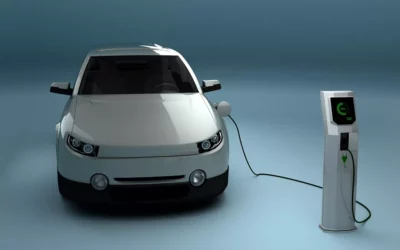
Electric vehicles run solely on electricity, using a battery-powered electric motor to drive the car. These vehicles need to be charged at charging stations or at home and have zero tailpipe emissions, making them the greenest option available today.
Hybrid Vehicles
Hybrid cars combine a gasoline engine with an electric motor. The electric motor assists the gasoline engine to reduce fuel consumption, especially during city driving. Hybrids can run on electric power alone for short distances, but they rely primarily on gasoline for longer trips.
Environmental Impact
One of the most significant benefits of EVs is their environmental impact. Since they produce zero tailpipe emissions, they contribute less to air pollution and greenhouse gas emissions than their gasoline or diesel counterparts. The environmental footprint of an EV largely depends on the source of the electricity used to charge it. Renewable energy sources like wind or solar power make EVs even more eco-friendly.
Hybrid vehicles, while more environmentally friendly than traditional gas-powered cars, still produce emissions. However, they are more efficient than conventional cars, especially in stop-and-go traffic, because they can run on electric power at lower speeds. This makes them a better option for those who want to reduce their carbon footprint but are not ready to fully commit to an electric vehicle.
Cost and Affordability
The initial purchase price is often a significant factor in choosing between an electric and a hybrid car. EVs generally have a higher upfront cost due to the expensive batteries they require. However, they benefit from lower operating costs since electricity is cheaper than gasoline, and they have fewer moving parts, which reduces maintenance expenses.
Hybrids typically have a lower initial cost than EVs but can be more expensive to maintain over time due to the dual powertrain. However, they don’t require the same level of charging infrastructure as EVs, which can be a significant consideration for those living in areas with limited access to charging stations.
Range and Convenience
Range anxiety is a common concern for potential EV buyers. Most electric vehicles today have a range of 200-300 miles on a single charge, but this can vary depending on driving conditions and the specific model. Charging an EV can take anywhere from 30 minutes to several hours, depending on the type of charger and the car’s battery capacity.
Hybrids, on the other hand, offer the convenience of gasoline with the efficiency of electric power. You can refuel them at any gas station, and they generally have a longer range than EVs, making them a more practical choice for long-distance driving or areas where charging infrastructure is sparse.
Performance and Driving Experience
Electric vehicles are known for their smooth and quiet operation, as well as instant torque delivery, which provides rapid acceleration. This makes them fun to drive and gives them an edge in urban environments where quick responsiveness is beneficial.
Hybrids also offer a smooth driving experience, but their performance can vary depending on whether the car is running on electric power, gasoline, or a combination of both. Some drivers may notice a slight lag when the vehicle switches between power sources, but modern hybrids have minimized this issue with advanced technology.
Charging Infrastructure
The availability of charging stations is a crucial factor for potential EV owners. While charging infrastructure is expanding rapidly, it is still more developed in urban areas. Those living in rural areas or who frequently travel long distances might find the limited availability of fast-charging stations a challenge.
Hybrid vehicles don’t require external charging, as their batteries are recharged by the gasoline engine and regenerative braking. This makes them more convenient for drivers who don’t have easy access to charging stations.
Conclusion: Which Should You Choose?
The choice between an electric and a hybrid car depends on your priorities and lifestyle. If you’re committed to reducing your environmental impact and have access to charging infrastructure, an electric vehicle may be the best option for you. EVs offer a quieter, smoother ride with lower long-term costs and are the ultimate choice for eco-conscious drivers.
However, if you’re looking for a more affordable option that doesn’t require significant lifestyle changes, a hybrid car might be a better fit. Hybrids offer the flexibility of gasoline with the benefits of electric power, making them a practical choice for a wide range of driving conditions.
Ultimately, both electric and hybrid cars represent a step toward a more sustainable future. As technology continues to advance, the distinctions between them may blur, offering consumers even more options to reduce their carbon footprint and contribute to a cleaner, greener planet.